

Preparing for a dual-format tournament like the SCG Season One Invitational is always difficult. Since such tournaments are rare outside of Invitationals and Pro Tours, we as players often set aside some extra time so we can fully tackle each format the way we would for a typical event.
However, in my case, the Season One Invitational is coming on the heels of six consecutive weeks playing competitive Magic, with two Opens, an RPTQ, and two Grand Prix preceding it. As a result, I planned in my head how I would manage to properly prepare for the Invitational without sacrificing these earlier, important tournaments. Here’s the basic gist of that initial, two-part plan:
1: None of the preceding tournaments are Standard, so my focus the week of will have to be there. Fortunately the format is well-explored by now and I have experience with the best deck, Temur Marvel. I can use the week leading up to the Invitational to get back up to speed with it.
2: Both Opens and one of the Grand Prix are Modern, so my testing for those events should double as preparation for that half of the Invitational, provided I find a deck I like enough.
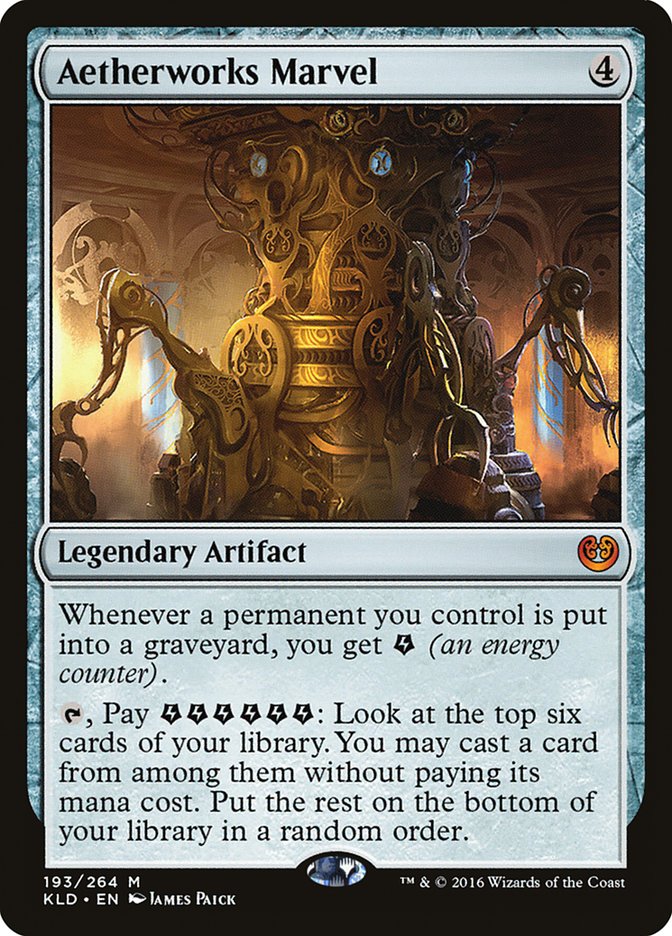
The first part was effectively blown up when Aetherworks Marvel was banned earlier this month, leaving Standard in a place it hasn’t been in quite a while: without an oppressive deck dictating the terms of the format. Many of the decks, including B/G Aggro, Mardu Vehicles, and Mono-Black Zombies, are known quantities from earlier points in the metagame, but each of them needs to be reevaluated in the context of the post-ban format, and tuning these decks without the pressures of Felidar Guardian and Aetherworks Marvel is no small task.
But I should be fully committed to that task given my recent success with Dredge, right? A pair of money finishes in the last two Opens, including a Top 4, should be sufficient for me to lock the deck in and turn my attentions to Standard.


Creatures (24)
- 3 Golgari Thug
- 4 Stinkweed Imp
- 4 Narcomoeba
- 4 Bloodghast
- 4 Prized Amalgam
- 4 Insolent Neonate
- 1 Haunted Dead
Lands (20)
Spells (16)
However, those two finishes were followed by a miserable 5-4 record and missed Day 2 at the Modern Grand Prix in Las Vegas. Of course, that could be some variance coming back my way. My overall record across the three tournaments (excluding byes and intentional draws) was 27-11, a 71% win rate.
But across the last month, Dredge’s standing in the metagame, and thus the size of the target on its back, dramatically increased. Playing linear decks in Modern is an exercise in picking your spots when the metagame is least prepared, striking quickly, and then retreating once your predators return.
So today I am going to share the thoughts and questions running through my head about both Standard and Modern as I prepare for the Invitational.
Modern – To Dredge or Not to Dredge?
It’s certainly the deck I know best, having played it for several tournaments last year before Golgari Grave-Troll was re-banned and then again this year. It’s also the single deck I have had the most success with in the last two years with three Open Top 8s, including a win. That kind of experience is very important to me, especially in a large format like Modern where I could conceivably play against eight different decks in the Swiss rounds.
However, as I noted earlier, the metagame has shifted against the graveyard. Dredge and Living End have both put up notable finishes over the last few weeks, and the top deck in the format, Grixis Death’s Shadow, while not dependent on its graveyard, certainly uses it liberally and can be hurt by Relic of Progenitus and the like. Looking over recent Modern lists from Magic Online I see an average of three to four pieces of graveyard hate in sideboards, which is a small but significant increase from a month ago.
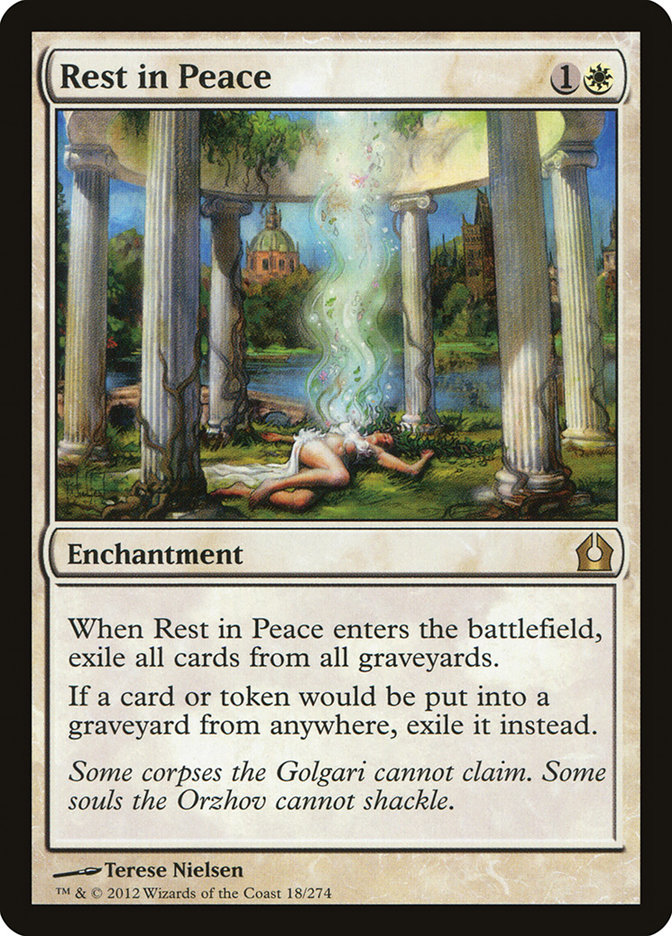
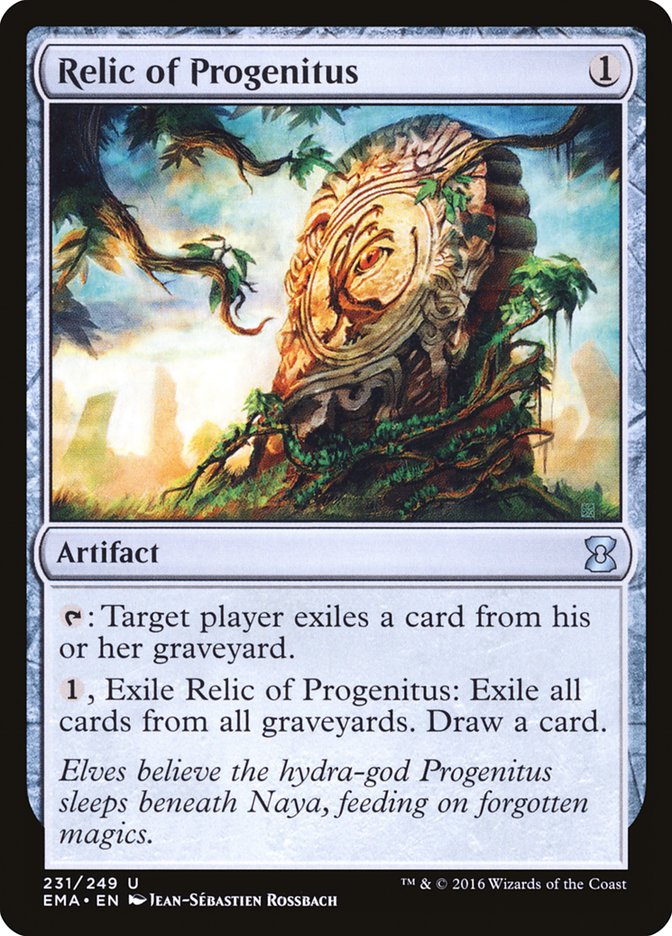
Going from two to three to four of a card increases the likelihood of finding one in your opening seven from 22% to 31.5% to 40%, respectively. That number alone could increase their chance of winning the game by several percentage points, and this is across the metagame, not simply an isolated matchup or two.
Having a hate card is far from a guarantee of victory against Dredge. The deck would not be as successful as it is, were that the case. You often have to scrap and claw in the post-sideboard games as the Dredge player, but you win a large number of games from your opponents keeping weak hands on the back of a hate card, giving your time to find an answer, work around it, or simply power through.
Perhaps more importantly than increasing the likelihood of merely finding a hate card, this increase represents an increase in their likelihood of finding a hate card within an otherwise functional hand, putting even more pressure on me to have a strong hand or an immediate answer.
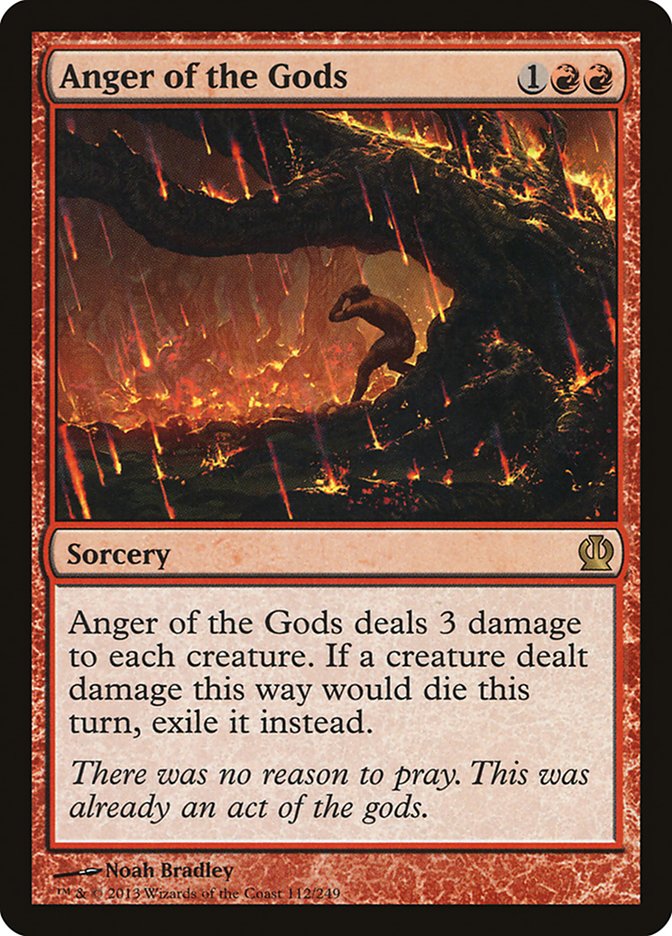
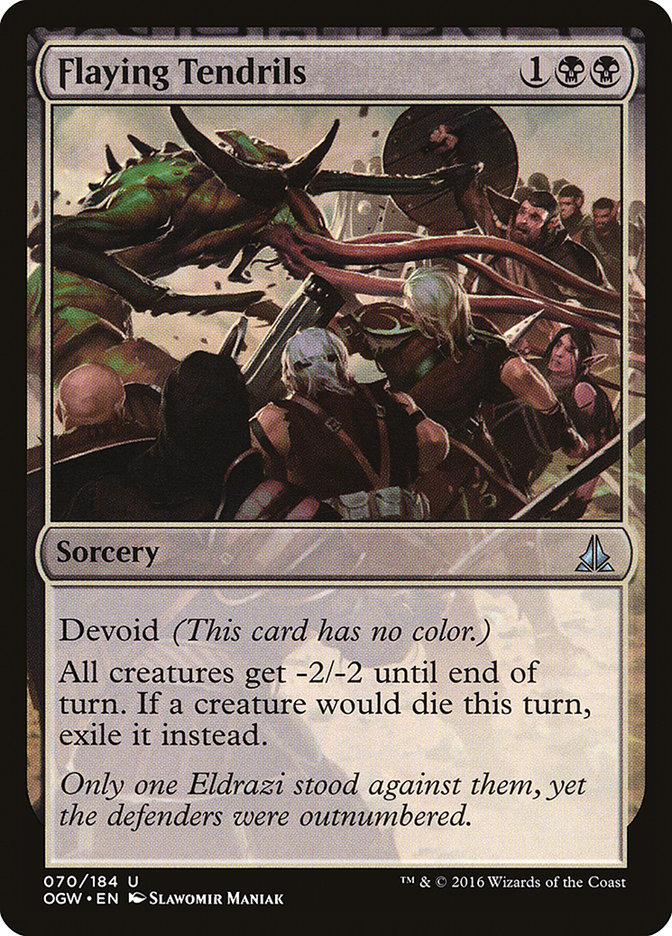
In addition, sideboard tech outside of graveyard hate, notably Anger of the Gods and Flaying Tendrils are increasing in numbers. You can leave a Bloodghast or two in your graveyard to help against these cards, but that leaves you vulnerable to their graveyard hate, so you’re forced to pick your poison. That is not a position I want to put myself in if I can avoid it.
And then we come to the Eldrazi Tron problem. Simply put, this matchup is bad.
Creatures (18)
Planeswalkers (2)
Lands (24)
Spells (16)
They have access to maindeck Relic of Progenitus and plenty more graveyard hate in the sideboard, and their normal plan is surprisingly good at controlling the battlefield against your fast creatures as well as closing the door as you try to recover from their interaction.
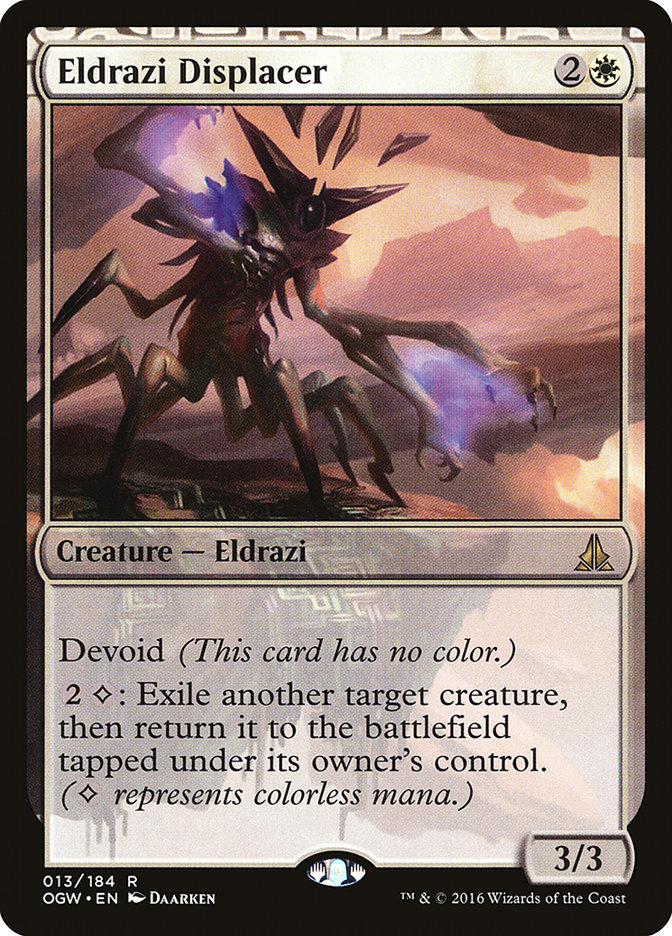
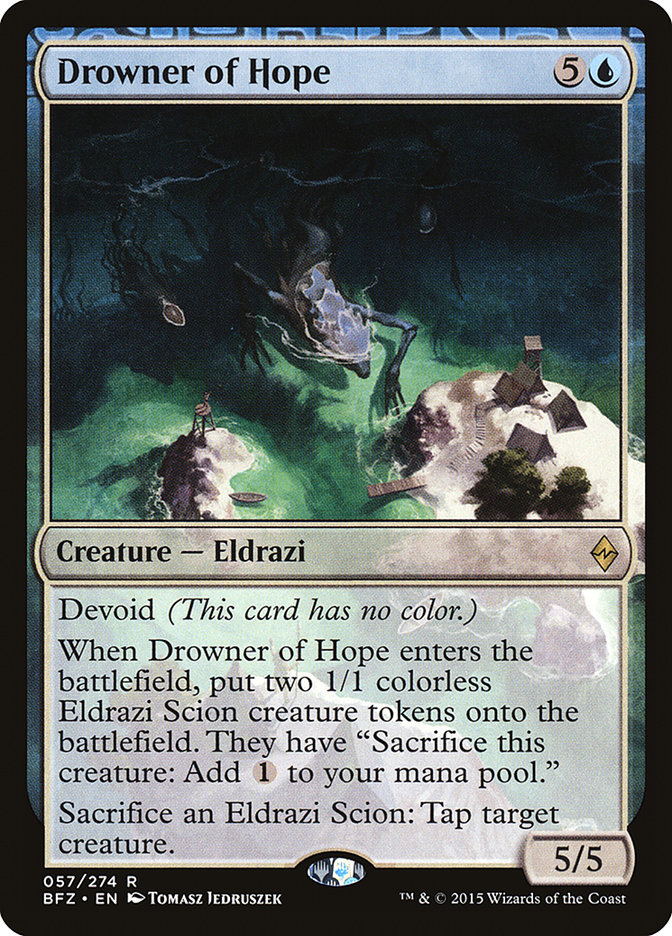
Bant Eldrazi was a tricky matchup because of the inevitability of Eldrazi Displacer and Drowner of Hope combined with the clock from Thought-Knot Seer and Reality Smasher. Eldrazi Tron has a similar squeeze with the same colorless Eldrazi creatures and an endgame fueled by Endbringer, gigantic Walking Ballistas, and All Is Dust. With Todd Stevens finally taking home a trophy in Charlotte, I only expect this deck to grow in popularity this weekend, which is not good news for Dredge pilots.
That said, the most recent metagame development is resoundly positive for Stinkweed Imp and friends: the re-emergence of Affinity. A format staple for ages, Affinity was at a natural ebb in its metagame share before Grand Prix Las Vegas, where it took three of the top four slots and a trophy.
Unlike Eldrazi Tron, Affinity is an excellent matchup for Dredge. Of the most commonly played decks in Modern, it may be the absolute best. The Ancient Grudges and Nature’s Claims you sideboard to answer various graveyard hate cards are just good cards against Affinity, so you don’t have to worry about having useless answers muck up your draws.
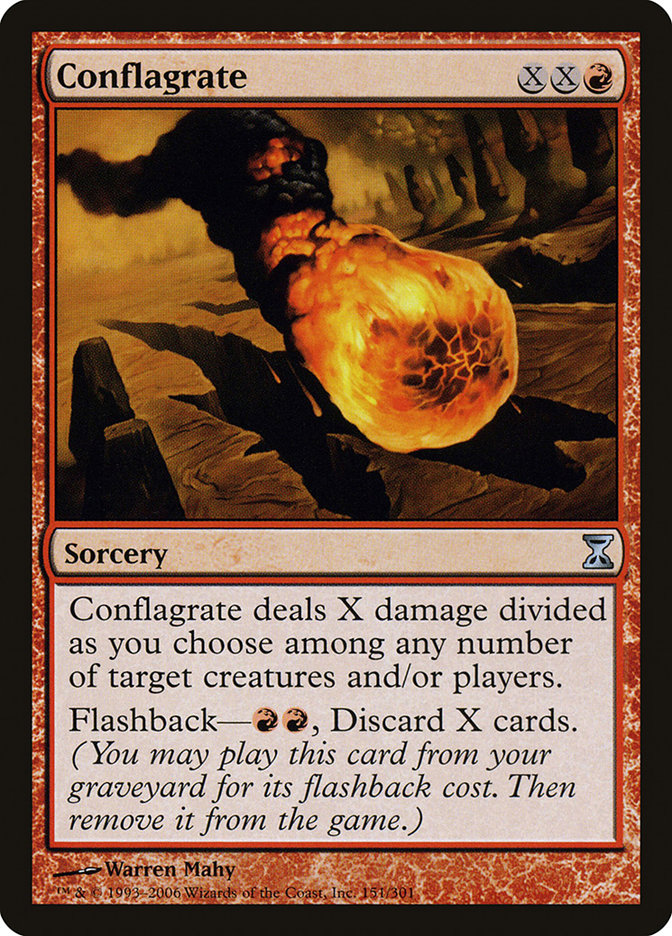
They are especially good when paired against Conflagrate, since the pseudo-sweeper answers their cheap creatures, leaving them to close the game with a big Arcbound Ravager or Cranial Plating on Etched Champion or a creature-land. Cheap, instant-speed removal covers you nicely against this plan, leaving them with little recourse and no way to stop the inevitable wave of recurring creatures from taking the game.
The rise of Affinity will also stress sideboards to include more artifact removal, and with Dredge putting up a disappointing showing in Las Vegas, we may have passed the point of peak graveyard hate in the format and reached the point where many players choose to skimp on it, hoping that Dredge pilots will remain scared off from playing the deck.
So Dredge is in a risky position right now. I’d have to hope to dodge Todd Stevens, which right now isn’t a great plan if I want to win the tournament, but it may very well be my best option with precious little time remaining to pick up a new deck.
If the tournament started tomorrow, I’d register Dredge in a heartbeat, something close to the following list:
Creatures (23)
Lands (20)
Spells (17)
This is the list I played in Las Vegas, and despite my poor finish, I still think it’s a step in the right direction. Conflagrate is one of the most important cards in the deck and I rarely returned Haunted Dead, so moving from a 3/1 split to a 4/0 made sense.
Like Haunted Dead, Dakmor Salvage was rarely returned unless you don’t hit Life from the Loam, and drawing a land that enters the battlefield tapped is brutal. The singleton Dakmor Salvage is still useful on turns where you Flashback Faithless Looting, since you rarely have the mana to do that and Life from the Loam before playing a land to return Bloodghasts, and an extra turn in Modern is huge.
In the sideboard, I’ve gone back to Nature’s Claim and Ancient Grudge after experimenting with Maelstrom Pulse and Engineered Explosives a la Ben Friedman. One Maelstrom Pulse remains to give the deck some versatility to answer problem permanents in normalized games as well as kill multiple copies of a hate card when needed, but overall I prefer speed and the ability to dredge into answers for Relic of Progenitus and Nihil Spellbomb.
Standard – I Guess I Have to Play Fair Now
For the last six months, I’ve relied on the mantra of “play the cards that are likely going to be banned soon” for my Standard deck selection. That’s no longer possible, so this week is going to be spent mostly wading through the top decks and seeing how they match up against each other now that they no longer have to worry about Ulamog, the Ceaseless Hunger being cast on turn 4.
Brad Nelson’s article from last week is a solid starting point, and I certainly have Temur Energy, Mardu Vehicles, B/G Energy, and Mono-Black Zombies as the top tier of decks with U/R Control a distant fifth. Barring some miracle in the next few days (read: Brad breaks it and charitably ships me his list), I’ll be playing one of those four decks this weekend.
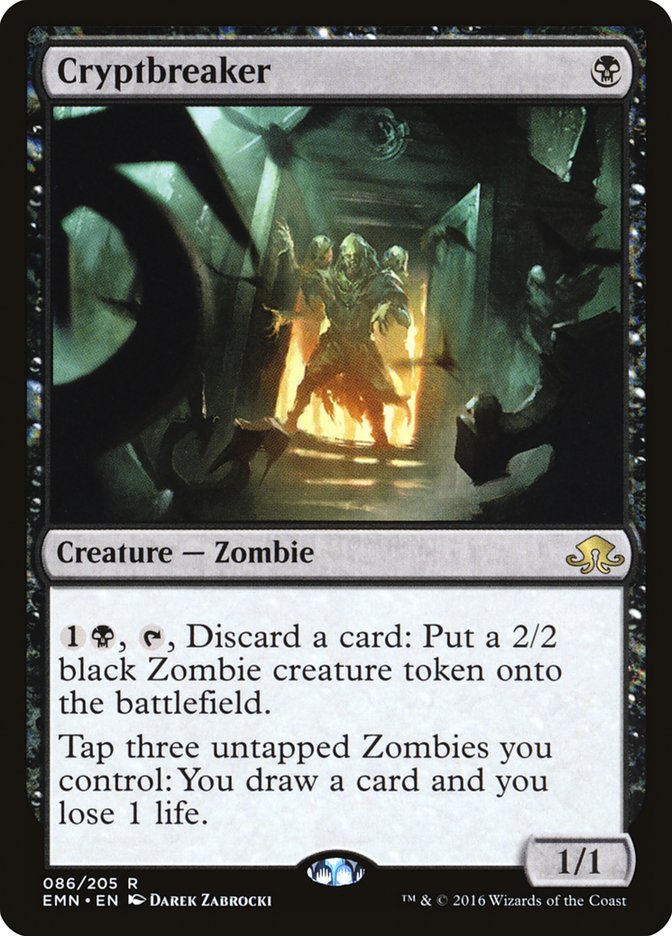
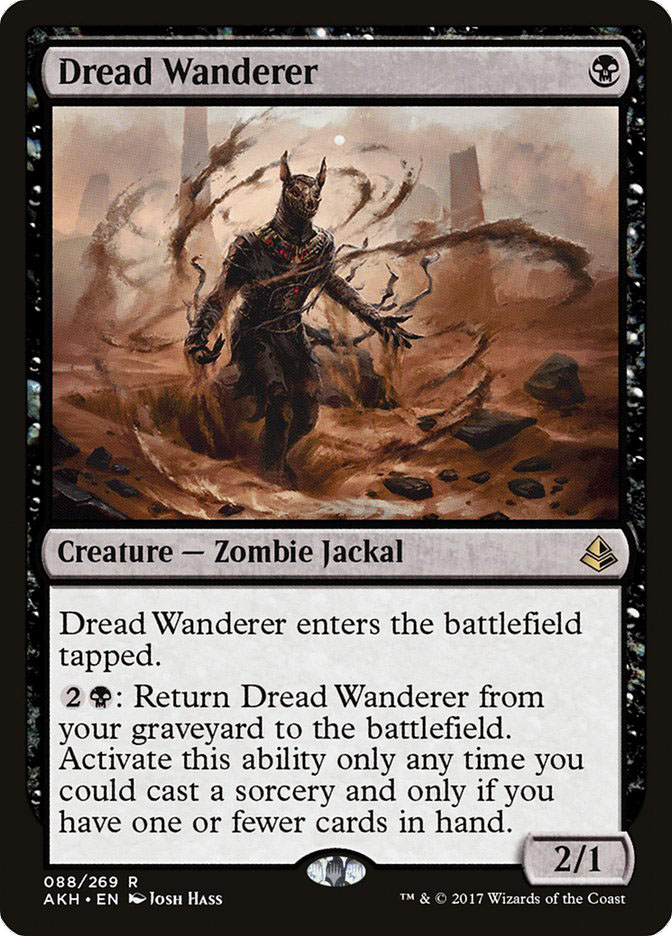
Of the four, Mono-Black Zombies is the deck I most want to play, because it’s more my style. I like playing from ahead with cards that won’t fold to early interaction. The deck reminds me a lot of Mono-Blue Devotion, with a similar curve and playstyle, but this one is much better against sweepers, although it doesn’t have any card with the raw power of Thassa, God of the Sea or Master of Waves.
When the ban was announced, I thought Zombies would emerge as the top deck because it generally matches up well against Gideon, Ally of Zendikar and I expected Mardu Vehicles to be the most popular. However, the lessons of previous format have carried over to this one, and every deck is coming well-prepared for small black creatures with Magma Sprays, Radiant Flames, and Chandra, Flamecallers aplenty.
While the deck is strong enough to fight those cards, deck choice is a matter of choosing the path of least resistance, and right now Zombies does not look to be that path.
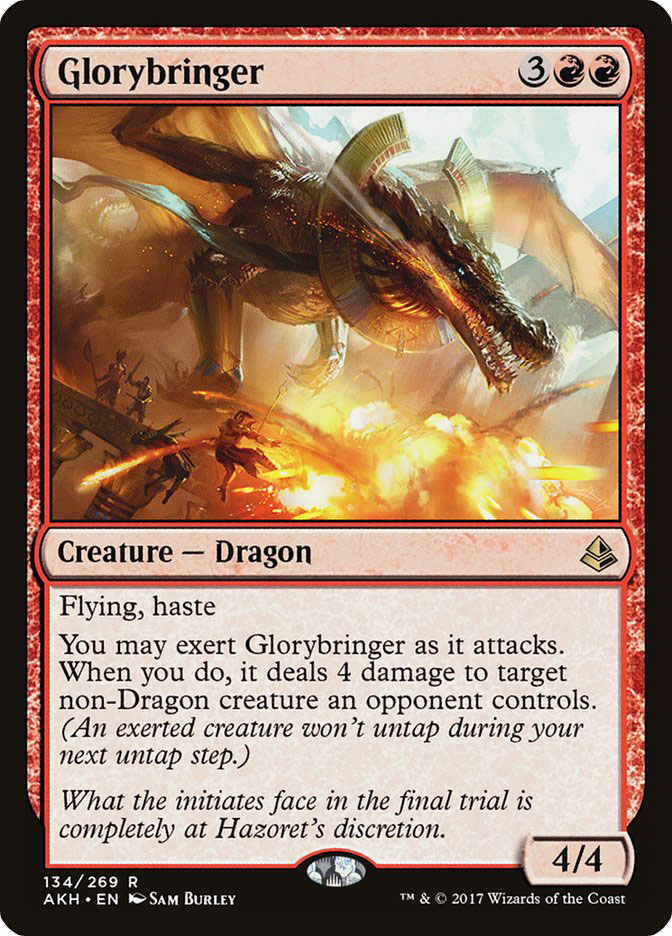
Next in line is Temur Energy, for the sole reason that I’d be playing Glorybringer. These top decks are heavy in creatures, aggressively slanted, and, with the exception of Zombies, have the ability to shift into midrange after sideboarding with better removal and planeswalkers for card advantage.
In this metagame, position on the battlefield is of the utmost importance, and few cards have the immediate impact that Glorybringer has. Any time your opponent taps out they have to be worried about you killing a premium creature and potentially a planeswalker. If they leave up mana for a removal spell, you should have another option, forcing them to use it on an inferior threat or fall behind. This is going to be one of the best cards in the format going forward, and while I highly doubt it is ever banned, it’s the kind of card I can see regretting not playing in hindsight.
As a home for Glorybringer, Temur Energy makes a lot of sense, since it has a mana creature to power it out ahead of schedule. Mana acceleration and rare/mythic Dragons have a long pedigree in Standard, one I’m quite familiar with. I’m also familiar with the rest of the shell, having played it in Four-Color Saheeli and Temur Marvel over the last six months of Standard.
Mardu Vehicles and B/G Energy are lower on my list, but I wouldn’t fault anyone for playing them. With Mardu, I simply haven’t been able to pick up on the subtleties of sideboarding into a midrange strategy. It does seem like everyone has their own opinion on when to sideboard out Toolcraft Exemplar, whether to leave in all four copies of Heart of Kiran against artifact removal, and exactly what mix of planeswalkers to play, and I have yet to develop a good set of heuristics for my own use. Doing so in three days is too tall a task.
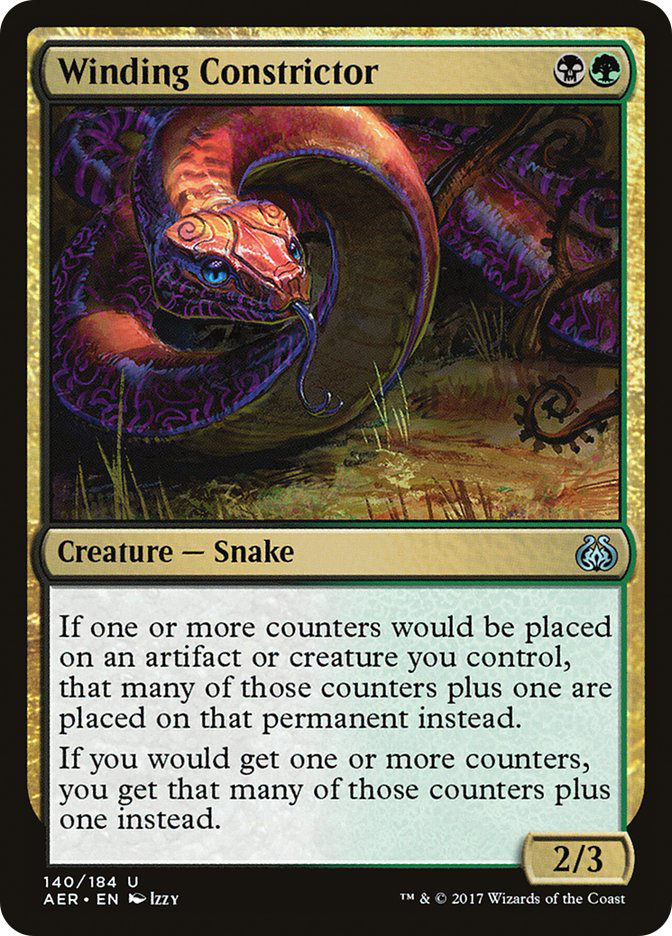
B/G Energy, while more straightforward, seems to me worse than Temur Energy because it’s less consistent. When you untap with Winding Constrictor and your synergies are working, the deck can be unstoppable, but without them the deck is underpowered, and no one is coming unprepared to answer a Snake in this tournament.
The cards in Temur stand on their own more easily, and the few that don’t, namely Longtusk Cub and Whirler Virtuoso, are dependent on a resource that is impossible to interact with. I’ll be focusing my testing on Mono-Black Zombies and Temur Energy for the week, jumping ship only if both of them fail to impress.
For Mono-Black Zombies, I’ll need to see how difficult it is to fight through all the Magma Sprays and sweepers running around, while my primary concern for Temur Energy will be how to optimally build the manabase. Aether Hub, Bontanical Sanctum, and Spirebluff Canal are a great start and Attune with Aether and Servant of the Conduit can cover up a lot of mistakes, but this stumbling in this format is going to be severely punished, so it’s important for the manabase to be able to produce untapped lands consistently for the first four or five turns.
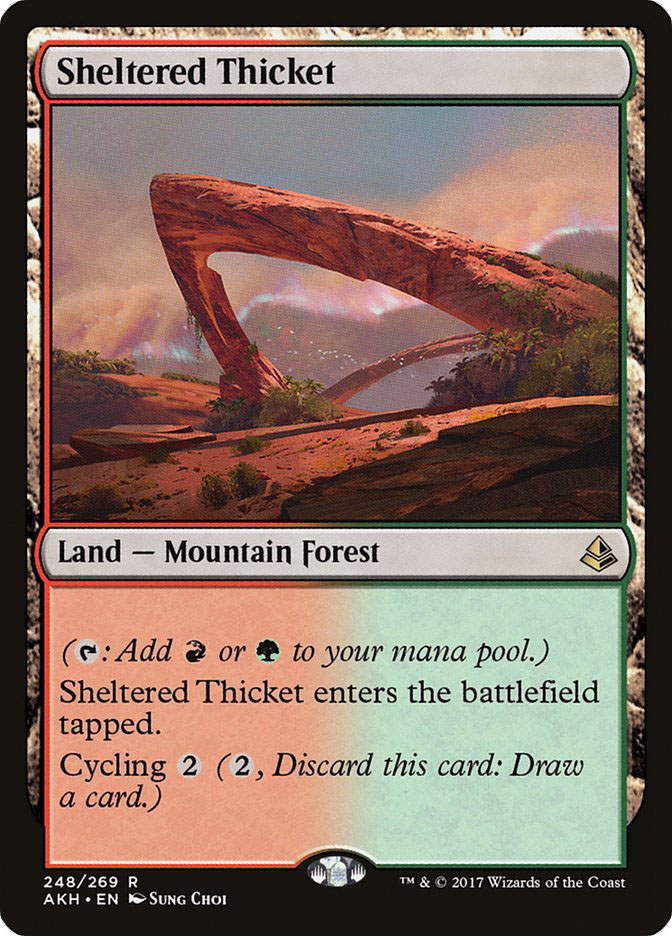
Suffice it to say I’m not a fan of Sheltered Thicket.
Hopefully by Friday I feel a lot better about both formats, but it looks like it’s going to be a hectic week, and I already have a sink full of dirty dishes and a suitcase full of dirty laundry. After five straight weeks of tournaments, I’m happy to be playing this one while sleeping in my own bed and I’ll be thrilled to take a break from the grind next week. Let’s hope I’ve saved my best for last.