

Welcome to every Magic: The Gathering player’s favorite time of year — rotation week!
As of last Friday for tabletop and tomorrow for Magic’s digital platforms, we’ll finally say “so long!” to the five oldest sets in Standard and welcome in a fresh metagame featuring brand-new cards from Edge of Eternities – Magic’s first space-fantasy set.
Before we get into the article, let’s take a look at what sets are rotating:
- Dominaria United
- The Brothers’ War
- Phyrexia: All Will Be One
- March of the Machine
- March of the Machine: The Aftermath
If you’re unfamiliar with how rotation works or need a quick refresher, I recommend reading our 2025 Standard Rotation Guide before continuing onward.
Good to go? Let’s dig in!
Where To Start
For competitive players, the next Standard season of Regional Championship Qualifiers (RCQs) kicks off this weekend! These first few weeks of events are always exciting, as we get to see wild new brews as well as what updates players have made to preexisting archetypes.
If you’re looking to compete this season but haven’t selected a deck yet, you’ve come to the right place! Below you’ll find five decks that are strong, safe picks heading into the new Standard. If you’ve already picked your deck, you’re also in the right place, because these are the decks you’re most likely to encounter at your next RCQ, so prepare accordingly!


Creatures (18)
- 2 Voldaren Thrillseeker
- 4 Fear of Missing Out
- 1 Kiora, the Rising Tide
- 4 Marauding Mako
- 3 Tersa Lightshatter
- 4 Vivi Ornitier
Lands (22)
Spells (20)
Notable Rotating Cards
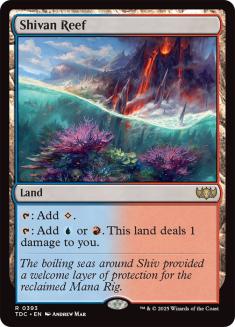
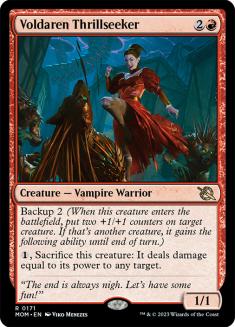
Izzet has had no trouble recovering from Standard’s recent bans and is poised to shrug off rotation with similar indifference. Looking at current Izzet Cauldron decklists, the only cards rotating among the 75 are Shivan Reef and Voldaren Thrillseeker. The land can be replaced no problem, but filling the Thrillseeker slot will prove more challenging, as the Vampire plays an important role by giving the deck extra reach with direct damage. Since a one-for-one Thrillseeker replacement is unlikely to be printed any time soon, an exhaust creature like Draconautics Engineer could step into that role for the time being.
If you’re looking for an established deck that has a proven track record of success and is consistently being improved upon, Izzet Cauldron is a solid pick.
Creatures (19)
- 4 Fear of Missing Out
- 1 Overlord of the Mistmoors
- 4 Overlord of the Boilerbilges
- 4 Yuna, Hope of Spira
- 3 Summon: Fenrir
- 2 Terra, Magical Adept
- 1 Summon: Knights of Round
Lands (25)
Spells (16)
Notable Rotating Cards
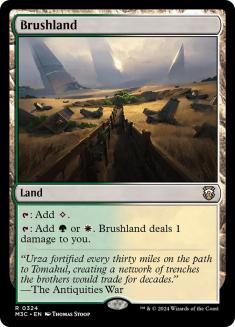
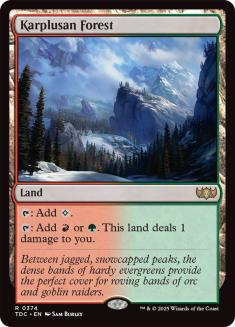
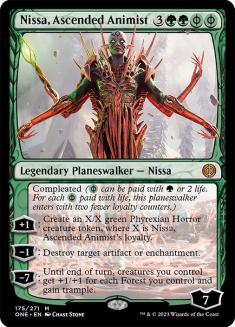
Naya Yuna has been a pet deck of mine since the release of Magic: The Gathering—FINAL FANTASY and I’m thrilled to see that others also recognized the potential and have expanded on the archetype considerably!
It’s quite rare for totally new archetypes to breakout when Standard is at its largest and most developed stage, but Yuna, Hope of Spira managed to do just that. With a majority of its cards coming from MTG—FINAL FANTASY, Naya Yuna is an appealing long-term Standard investment that loses nothing of major importance. In fact, I’d wager the deck only gets better with rotation, as Edge of Eternities adds Stomping Ground and Sacred Foundry to the manabase and Pinnacle Starcage as a nice answer to the format’s cheap creatures, artifacts, and tokens.
While Naya Yuna hasn’t shown up in the Top 8 of recent online events, I fully expect it to be one of the most popular decks in the weeks following rotation.
Creatures (18)
- 1 Sheoldred, the Apocalypse
- 4 Faerie Mastermind
- 4 Spyglass Siren
- 1 Tishana's Tidebinder
- 4 Enduring Curiosity
- 4 Floodpits Drowner
Planeswalkers (3)
Lands (25)
Spells (14)
Notable Rotating Cards
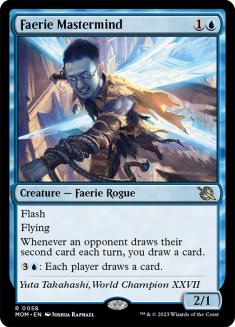
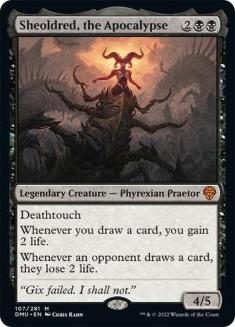
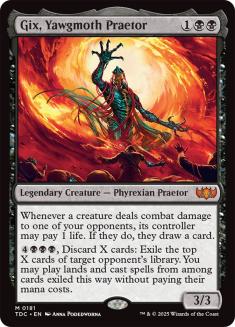
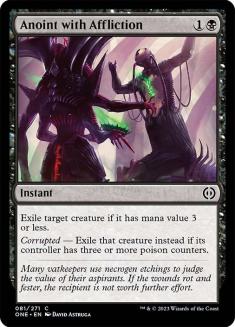
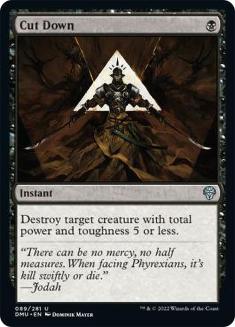
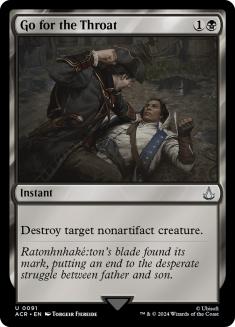
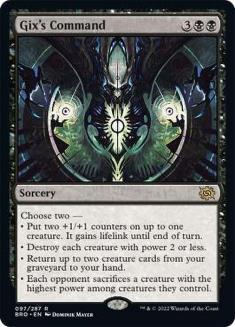
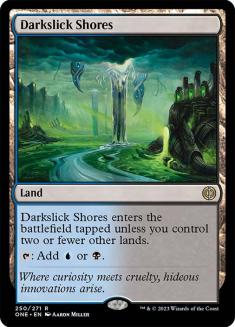
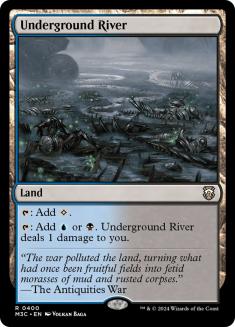
Dimir Midrange may be losing the most cards quantity-wise on this list, but I highly doubt the archetype is going anywhere. The loss of Faerie Mastermind likely retires the Faerie typal package with Faebloom Trick and Spell Stutter, but the core of creatures remains virtually unchanged otherwise, and it should be fairly easy for it to adapt to its losses.
Going forward, Dimir Midrange’s biggest challenge will be finding sufficient alternatives for the rotating removal suite. Losing numerous premium removal spells is rough and it may take a few set releases for the quality to be comparable to its current form, but with a large, dedicated player-base, it shouldn’t take long for the best replacements to be identified.
If you’re looking to play Standard events in the first couple weeks after rotation, I’d say Dimir is a safe choice, and if you’re playing something else, you’d best be prepared to play against it.
Creatures (28)
- 4 Llanowar Elves
- 3 Springbloom Druid
- 3 Bristly Bill, Spine Sower
- 4 Mossborn Hydra
- 4 Sazh's Chocobo
- 4 Traveling Chocobo
- 4 Tifa Lockhart
- 2 Sazh Katzroy
Lands (23)
Spells (9)
Notable Rotating Cards

Admittedly, I did not expect green’s return to Standard to look like this, but it’s a refreshing surprise. A few weeks ago, green cards were nowhere to be found in Standard, but with Monstrous Rage gone and creatures able to block again, it seems forests are finally back on the menu.
Mono-Green Landfall is another deck made possible thanks to MTG—FINAL FANTASY introducing cards like Sazh’s Chocobo, Tifa Lockhart, and Traveling Chocobo. A full four copies of each of these cards join forces with Llanowar Elves and Bristly Bill, Spine Sower to provide a solid core for a deck that only loses a few insignificant sideboard cards to rotation.
If you’re looking for a relatively inexpensive Standard deck with a long lifespan and tons of room to grow, I think Mono-Green Landfall is the way to go.
Creatures (19)
Planeswalkers (4)
Lands (23)
Spells (14)
Notable Rotating Cards
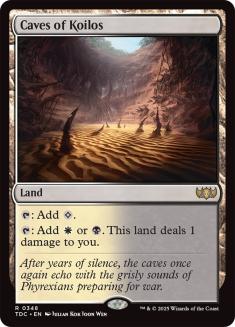
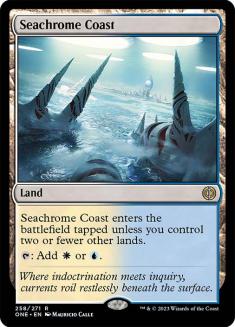
Through set releases, major metagame shifts, and numerous bans, Pixie decks have endured and refuse to accept early retirement.
Of the many things I enjoy about the Pixie archetype, what fascinates me most is its unique ability to adopt or drop color splashes as it sees fit. When Pixies debuted in Standard, it was an aggressively-slanted Esper build with access to cheap counterspells after sideboarding. For a few months, Esper Pixie was the format’s premier deck, but when new archetypes fueled by cards from Tarkir: Dragonstorm entered the mix, Pixies fell out of favor.
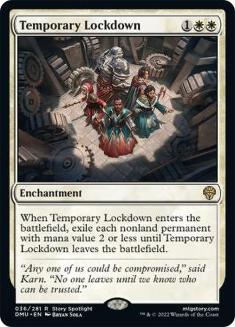
Instead of dying off however, the archetype evolved. It phased out the blue splash and moved forward as a midrange strategy in Orzhov colors, backed by access to multiple mainboard copies of Temporary Lockdown. In the weeks that followed, some players (myself included) tinkered with a green splash, and there was even a Mardu version that splashed red for Cori-Steel Cutter. While neither of these builds really caught on, they serve as a testament to the archetypes adaptability.
Now, even with the loss of Hopeless Nightmare and This Town Ain’t Big Enough in the latest Banned and Restricted Announcement, Pixies finds itself in stasis rather than an early grave. Post-rotation, Pixie decks still have access to a deep pool of cards in multiple colors and only loses a handful of lands to rotation while gaining shocklands and more from Edge of Eternities. As an added bonus, its play patterns appear to be lining up well against the theorized post-rotation metagame.
I think Pixie decks still have a lot left in the tank, so don’t sleep on this format veteran.
###
Thanks for reading! If you enjoyed this article, consider following me on X where I post my decklists and updates from various events, and be sure to share your post-rotation Standard decks with us in the comments over on our socials!

Eager to put your Standard skills to the test? Join us August 29-31 for SCG CON Orlando featuring Magic Spotlight: Planetary Rotation! Compete for cash prizes, Pro Tour qualifications, and more! No pre-qualification required, just register now and we’ll see you there!