

With the banning of Aetherworks Marvel, Standard is in a place that is simultaneously familiar and unknown. The new metagame is going to be largely comprised of Zombies; Winding Constrictor; Gideon, Ally of Zendikar; and various control decks, which are all things we’re familiar with. Yet for the first time in quite a while, we don’t have anything fundamentally unfair going on in Standard.
Since the release of Kaladesh, we have gone from Aetherworks Marvel and Emrakul, the Promised End to Saheeli Rai and Felidar Guardian to Aetherworks Marvel and Ulamog, the Ceaseless Hunger, a threepeat of overbearing brokenness that is unlikely to be repeated. As much as players complain about the power of a card like Gideon, Ally of Zendikar, it is fundamentally fair and can reasonably be held in check without warping the metagame around it in unhealthy ways.
Last week, Brad Nelson went over his thoughts on the Standard metagame moving forward, especially for the upcoming #SCGINVI, and I agree with his conception. We don’t have a lot of time to develop new strategies with only a short time before the release of Hour of Devastation, so players are by and large going to stick with the readily tuned archetypes and simply work to adapt them for the new metagame.
With little in the way of surprises to look forward to in the immediate future, I want to look further at how Hour of Devastation might disrupt this lame-duck metagame, because even with few cards revealed so far, there are some intriguing new options that could make a significant impact.
Notably, all of the cards I’m going to feature today are powerful because of their versatility. If you look at the predicted Standard metagame, it’s filled with aggressively slanted decks with a wide range of threats so they are difficult to attack and can play a longer game if necessary.
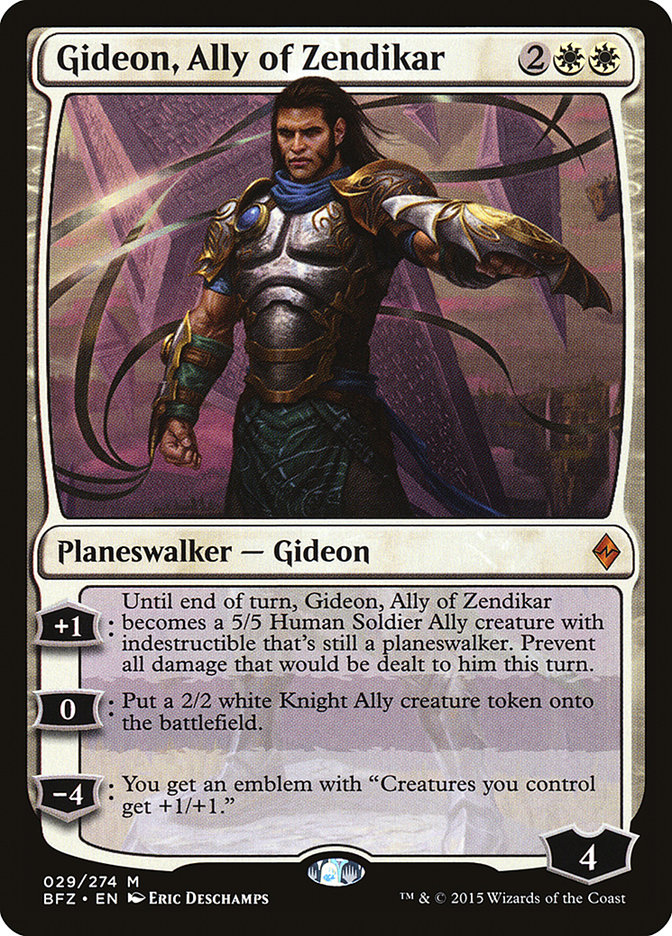
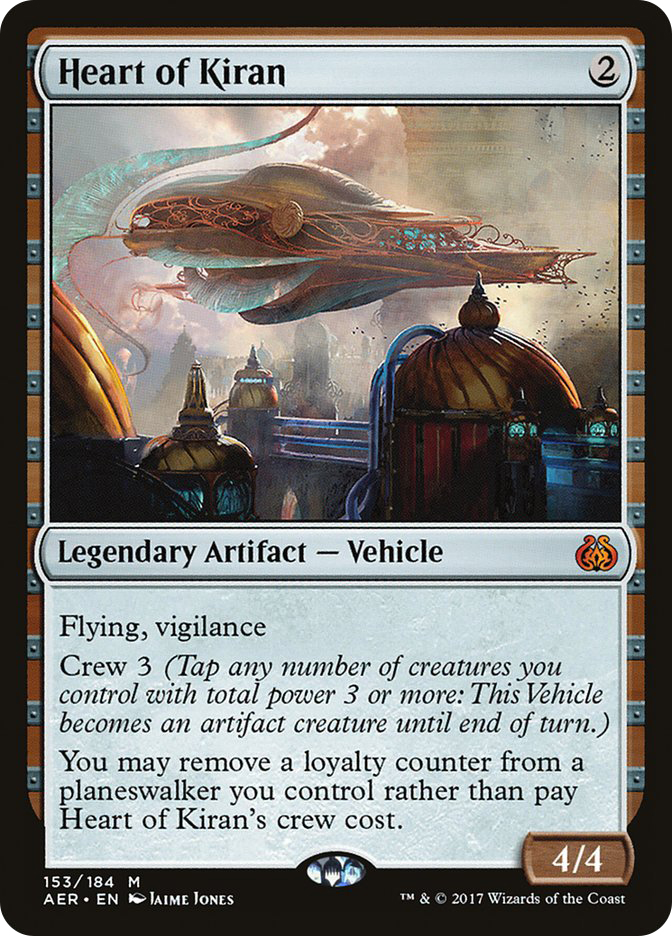
Mardu Vehicles is of course the poster child for these decks, with hard-hitting aggressive creatures fighting alongside Vehicles, planeswalkers, sticky creatures, and heavy hitters like Archangel Avacyn. Trying to be reactive against such a wide array of threats is very difficult, so it’s no surprise that control decks have struggled in that matchup.
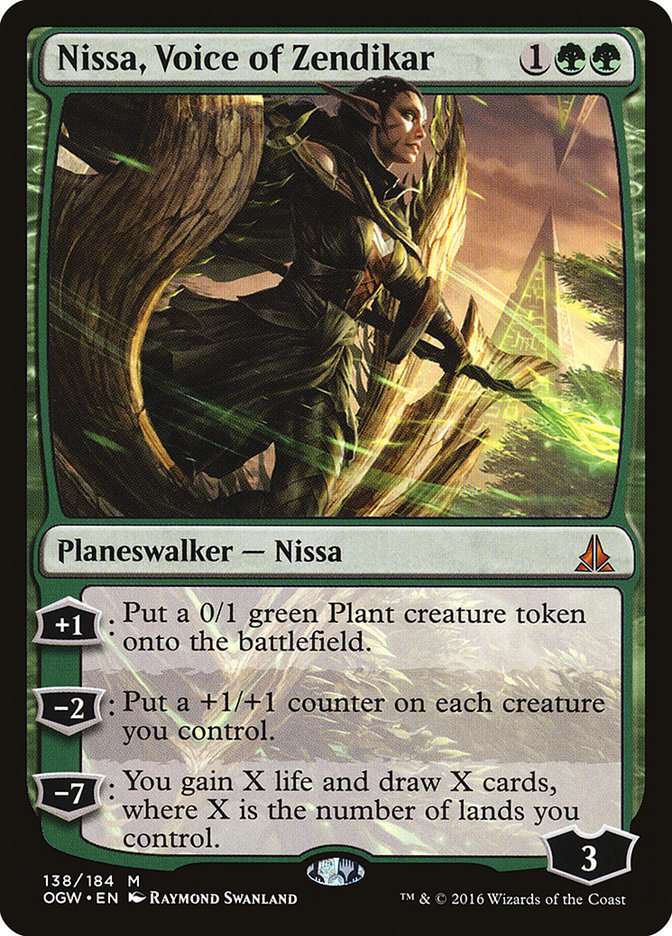
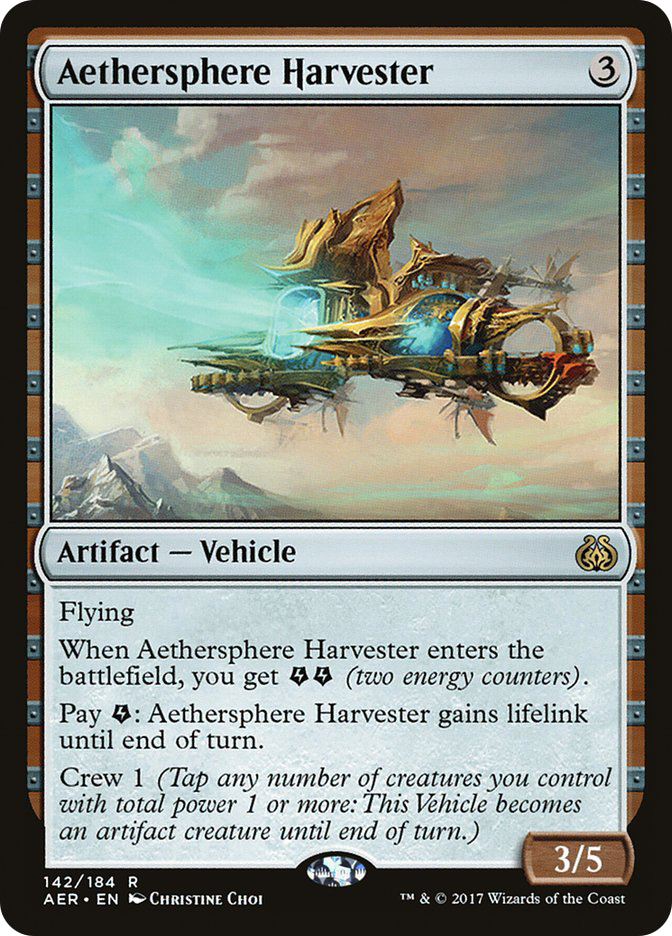
But the other top decks in Standard also incorporate these elements. B/G Constrictor decks can play Nissa, Voice of Zendikar and Aethersphere Harvester. They often have Scrapheap Scrounger and Tireless Tracker in their 75 to gain card advantage, but they can come out of the gates very quickly with Winding Constrictor and Rishkar, Peema Renegade. Focus on the smaller creatures and Verdurous Gearhulk will go over the top of you. And decks relying on larger sweepers are vulnerable to the one-card engine that is Lifecrafter’s Bestiary.
Attacking from multiple angles is simply a necessity for success in Magic these days, and it behooves us to prepare for these varied threat bases. Reactive control decks need to have the right answers on a consistent basis, but even aggressive decks need to be able to answer various permanents, and doing so with precious few slots for removal is difficult. Fortunately, Hour of Devastation has a couple of intriguing options that should easily make their way into Standard.
First up, Abrade.
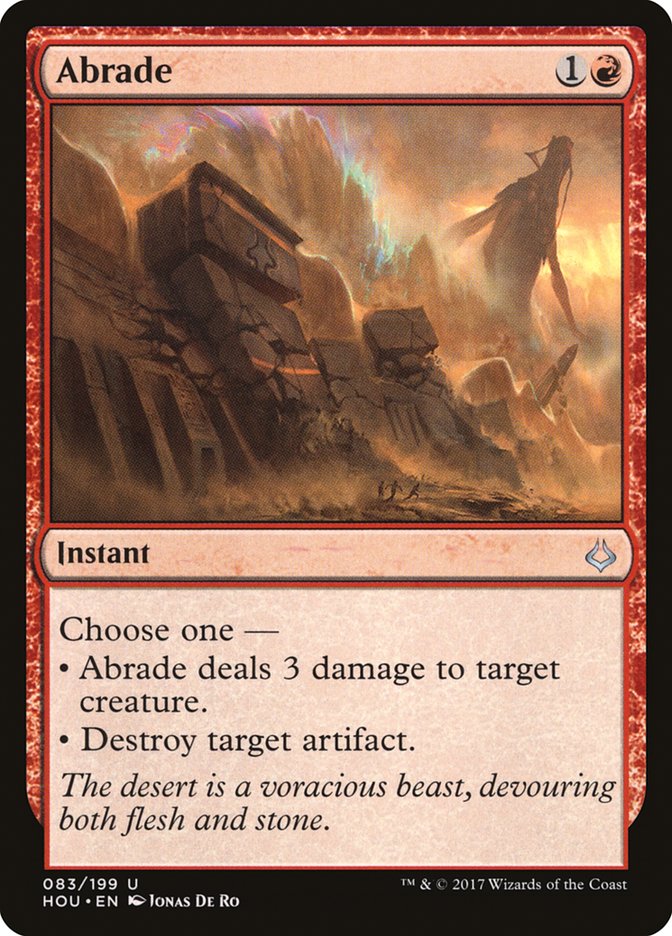
How many times has this scenario played out in your games over the last five months?
Your opponent plays a Heart of Kiran on turn 2, forcing you to leave up mana for a removal spell to answer it.
Sniffing out that removal spell, your opponent declines to crew their Heart of Kiran on turn 3, simply developing their battlefield and attacking with their creatures.
You’re now left in the awkward position of deciding whether to use your removal spell on a different threat and keep tempo in the game or waste your mana to try to kill the Heart of Kiran later on, leaving you in the same predicament on your turn but from an even worse position.
The correct line of play in that spot is often only clear in hindsight, so this is a spot you should do all you can to avoid. We often like to put the blame on ourselves when we kill the wrong creature in a scenario like the above, but part of playing good Magic is avoiding difficult situations. Sure, it feels good to come up with a great line from a tough position to win a game, but you’ll win more often if you play to make the game easy on yourself and, conversely, difficult for your opponents.
In a Standard format featuring an artifact block, Abrade makes the game easy for you. If your opponent declines to crew Heart of Kiran, you still have the option of killing a Toolcraft Exemplar or Thalia, Heretic Cathar if you want, but you can also get the mythic Vehicle off the battlefield, which is usually a good idea.
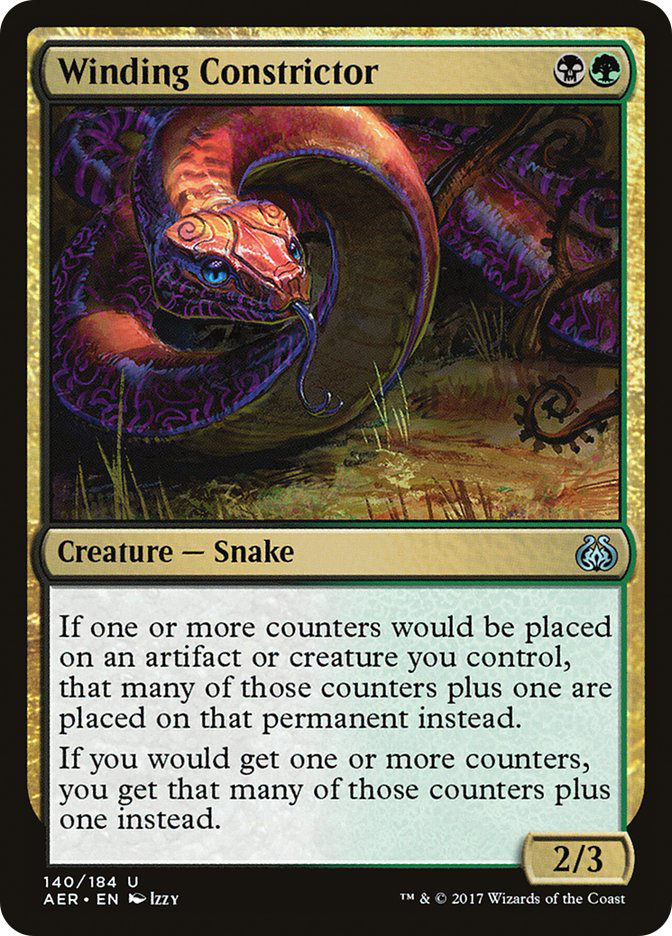
Against B/G Constrictor decks, you can kill the namesake threat alongside Aethersphere Harvester and Verdurous Gearhulk, which represents close to the entire range of threats that those decks have access to.
There are some notable cards that Abrade misses, Glorybringer and Archangel Avacyn chief among them, but for a two-mana card, a cost where we typically see significant restrictions on removal spells, Abrade is remarkably versatile, and as a result it should see significant play immediately upon its release.
That said, I don’t expect Abrade to be played in very high numbers, merely as a two-of with high frequency. Versatility is important, but it must be balanced with efficiency or you’ll lose on tempo too often. Think of these versatile spells as the key role-players on a team. They don’t get as much playing time or recognition as the stars, but they are just as important to creating a complete team by effectively filling in the gaps.
The odd thing about Magic is that finding the stars is the easy part. It doesn’t take much to read Gideon, Ally of Zendikar; Verdurous Gearhulk; or Nicol Bolas, God-Pharaoh and know that you’re reading a card specifically developed for Constructed play. But finding the role-players is quite difficult because they are necessarily contextual to the format. The stars are good enough cards to see significant play in almost any Standard format over the last ten-plus years, but role-players get their playing time because they match up well against what you’re facing this weekend.
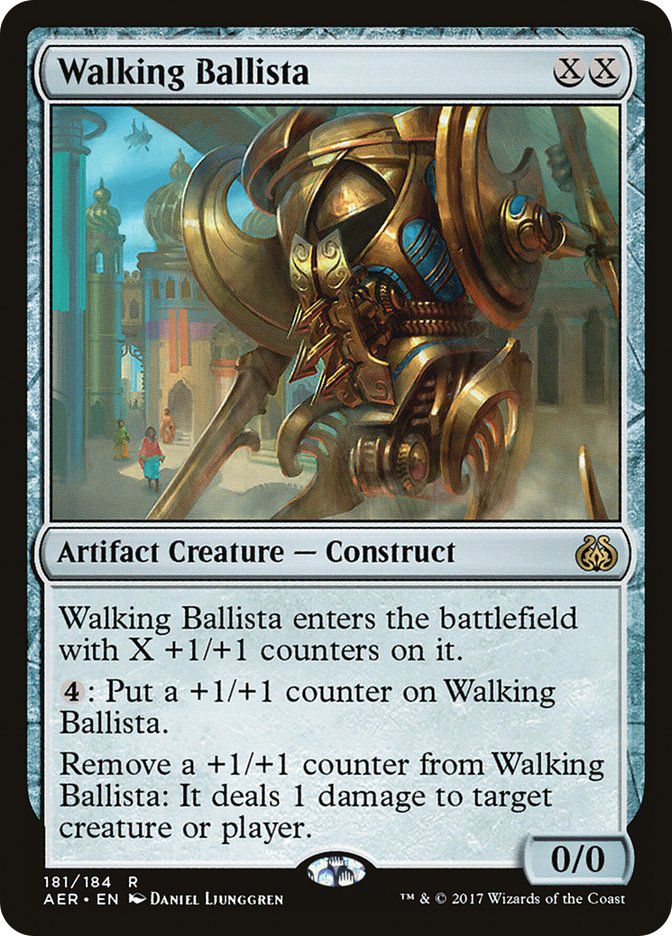
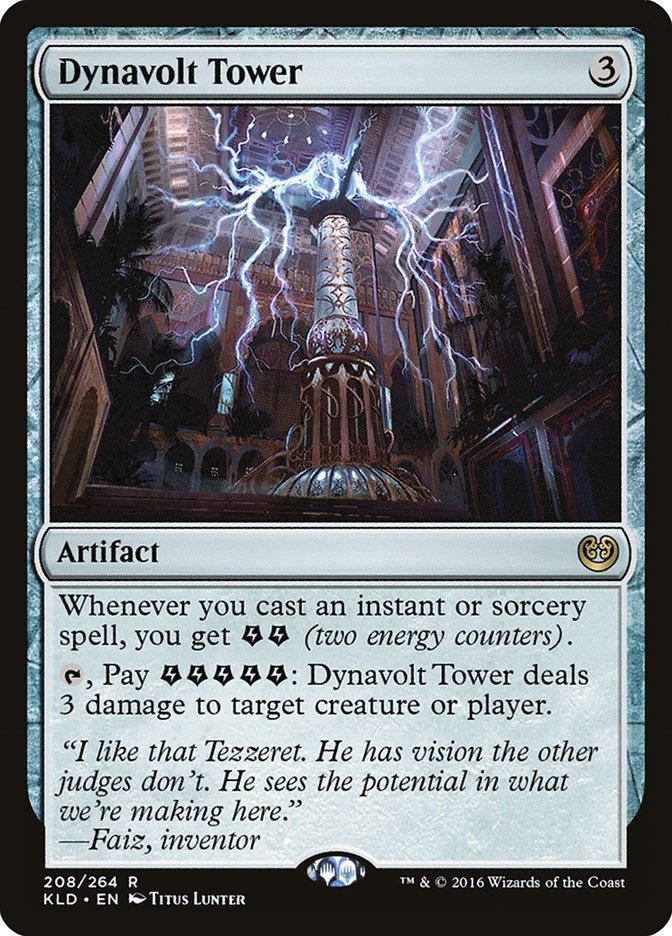
Abrade wouldn’t be much in a lot of Standard formats, but with the number of powerful artifacts that are roaming around, from Gearhulks and Vehicles to Walking Ballista and Dynavolt Tower, Abrade is the perfect card to help you cover the metagame with your removal suite using as few cards as possible.
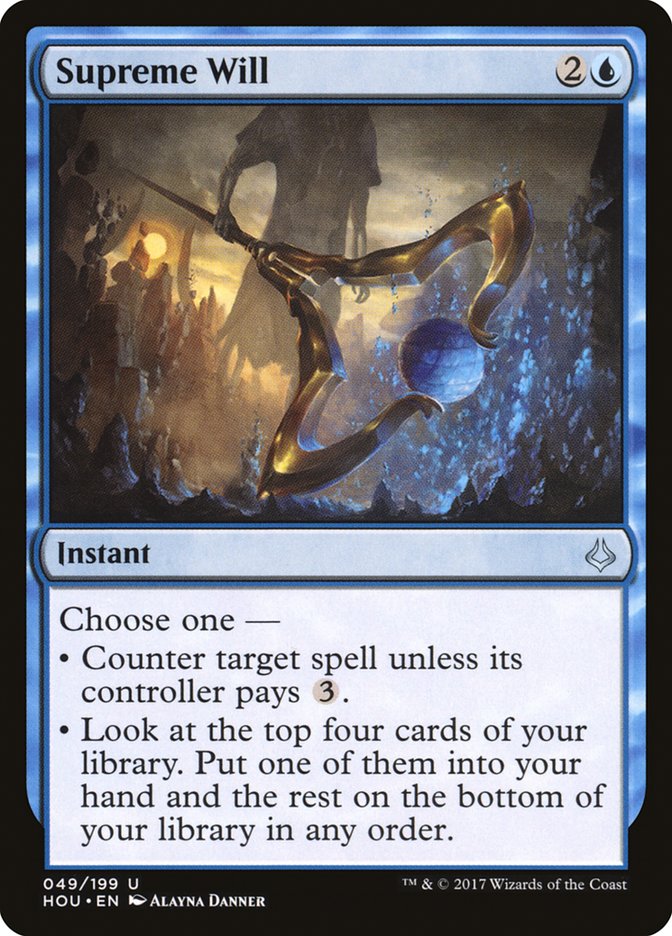
The next card I want to highlight is another reactive answer that, like Abrade, I expect to be a key role player in its decks. It’s the Mana Leak / Impulse split card, Supreme Will.
By their nature, counterspells don’t need to increase their range of potential targets. The Mana Leak mode will target any spell, from creatures and Vehicles to instants and sorceries. The issues that befall counterspells are ones of timing.
First, you need to commit to holding up the mana for a counterspell during your opponent’s turn. If they don’t play into your counterspell or bait it with a weaker spell, you risk wasting your mana for the turn.
Second, counterspells are worthless against cards already on the battlefield, making them weak topdecks, especially when you’re behind. And third, soft counterspells like Supreme Will eventually become blank cardboard as your opponent plays enough lands to easily leave three mana up when casting their important spells.
So in order to become more versatile, counterspells need a built-in way to mitigate these downsides, and that’s exactly what the Impulse mode on Supreme Will does.
In all the above scenarios, Impulse would be at the very least a fine card to cast, and often a great one. If your opponent slows down to try to blank soft counterspells, you can abandon that half of the card for something better. The mere threat of that will likely cause more opponents to play into your Mana Leak than before, so even if you don’t end up using the Impulse mode that often, it’s likely still being effective.
The silent but deadly nature of certain cards is often quite subtle but important to pick up on here. Soft counters are at the top of the list here, as often players will play off-curve to turn them into dead cards, which gives you a significant benefit even if you never cast your spell. We’ve seen this phenomenon recently with Censor, which, like Supreme Will, can be cashed in for a card should your opponent choose to play around it.
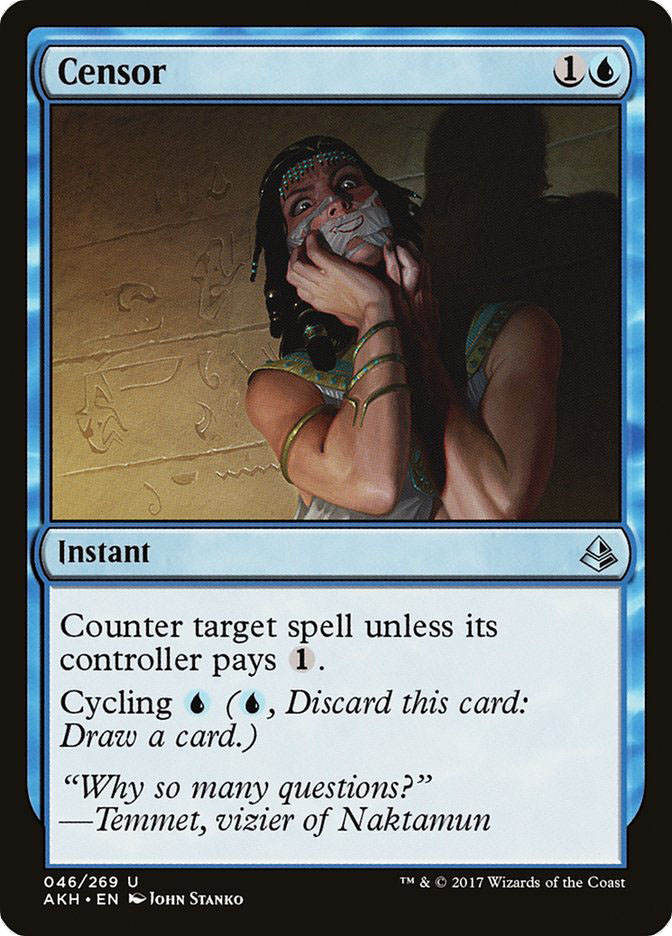
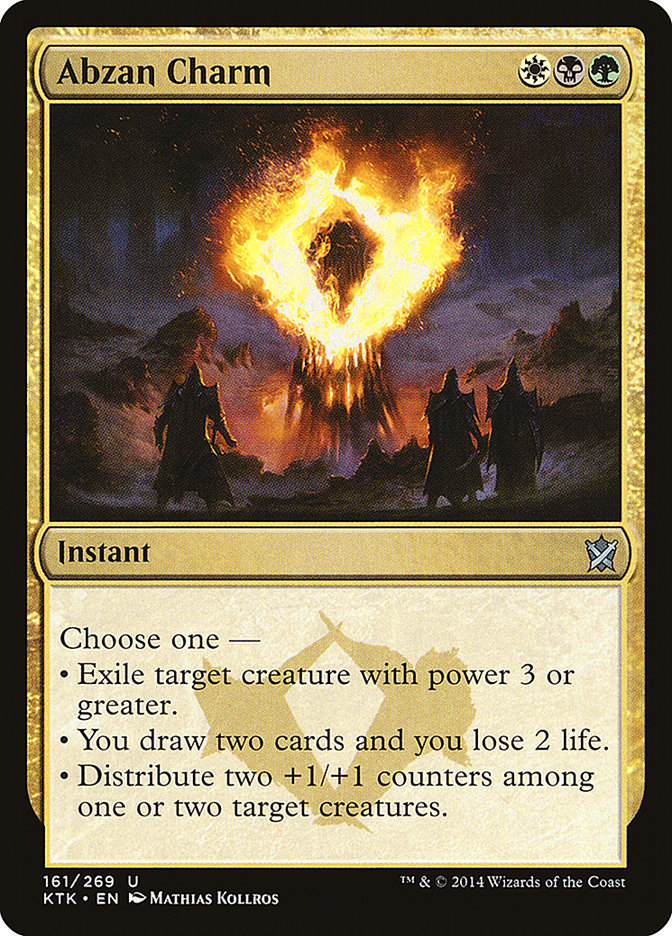
Censor is a solid comparison for Supreme Will, and one that projects the latter as a Standard-playable card, but I also see the new counterspell as reminiscent of a key card from Standard’s past: Abzan Charm.
Siege Rhino may have gotten all the press and drawn more ire from the masses, but Abzan Charm was right there with it in high numbers in nearly every Abzan variant. It was the clear best of the Charm cycle from Khans of Tarkir despite the third mode only being used sparingly.
Supreme Will is not as powerful as Abzan Charm, but at only one color, I wouldn’t expect it to be. The important part is that it functions in the same space as a hybrid answer/card draw spell. Control players will now more often have the ability to sequence perfectly, answering their opponent’s threats on their own terms, and taking advantage of any turn off their opponent takes by sculpting their hand for the coming attacks.
It looks like Abrade and Supreme Will may be part of a cycle of modal uncommons in Hour of Devastation, and if these two are any indication, the cycle is meant for Constructed play. Look out for the rest.
The last card I want to talk about has the potential to dramatically reshape Standard. As I noted earlier, the top decks right now bank on their wide array of threats to both gain card advantage and leave their opponents on the wrong side of the right threat-wrong answer paradigm. Mardu Vehicles, once an aggro deck, now sideboards into a Superfriends shell with various planeswalkers dominating the battlefield.
Nice planeswalkers you have there? Would be a shame if something…happened to them.
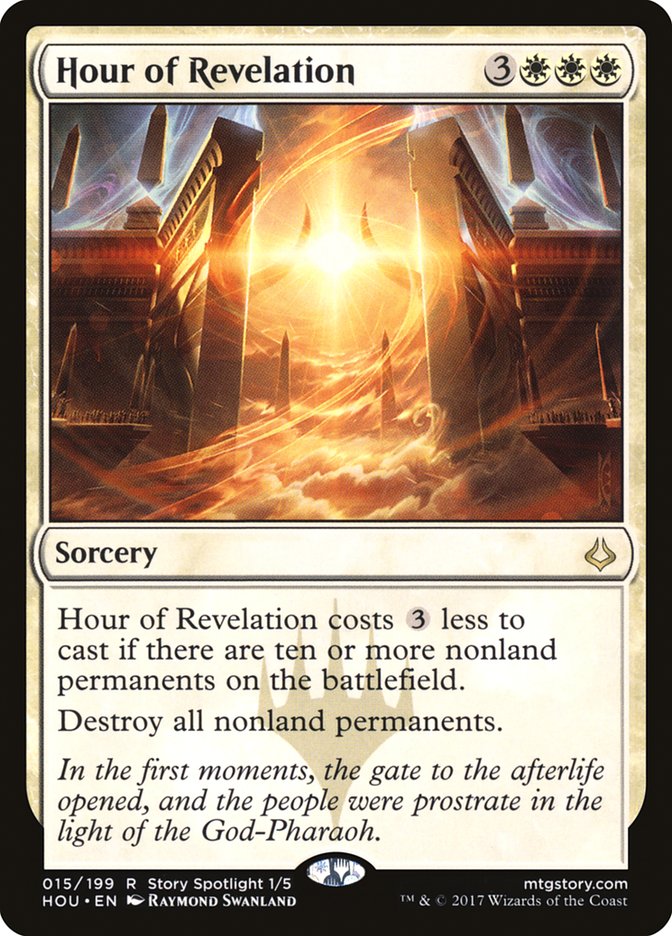
As Ari Lax noted in his article earlier this week, we should not delude ourselves into thinking this card will cost three with any regularity. I’d be surprised if you cast it for three mana more than a handful of times and that’s only if you play the card constantly for its entire life in Standard. This is essentially a functional reprint of Planar Cleansing.
Few effects are more powerful against midrange decks than this super sweeper. Gideon, Ally of Zendikar? Gone. Heart of Kiran? Gone. Glorybringer? Gone. Lifecrafter’s Bestiary? Gone. All those Clues you’ve been stockpiling? Gone.
Having such a wide-ranging reset button is an incredibly valuable tool for control decks, which often find themselves on the brink of death, especially if they stumble early. In fact, the use of Planar Cleansing in a format dominated by decks with wide-ranging threats has some pedigree. Our very own Jim Davis saw the potential of Planar Cleansing in U/W Control decks to combat the rise of Jund Monsters that had Domri Rade and Xenagos, the Reveler among other planeswalkers in their threat base.
Jim was so confident in the power of Planar Cleansing in that metagame that he eschewed Detention Sphere for the sweeper, taking his innovative list to the Top 4 of an Open in Providence before being felled by a debonair mage whose impeccable combination of great skill, wise deck choice, and impressive beardliness was too much for Jim to overcome.
Oddly enough, a U/W Control deck looking to play Hour of Revelation would have to make a similar sacrifice by cutting Cast Out, but I think the tradeoff will be worthwhile:
U/W Control Ross Merriam
The white spot removal here is certainly a step down from red, but Hour of Revelation should do a lot of heavy lifting, especially with Censor as a great mechanism to slow down opponents and give you time to get to six mana. The biggest loss is likely Magma Spray against Zombies decks, which is the primary reason I’ve included so many exile effects in the deck.
Other than that, this is a typical U/W Control deck, but it’s one that is not going to get stuck with the wrong answers very often. Six of its counterspells have other modes and three are unconditional. Hour of Revelation picks up the slack left by the mediocre Immolating Glare and Torrential Gearhulk, which plays well with the move away from enchantment-based removal brought on by Hour of Revelation, ensuring you have repeated access to your most needed cards.
In a midrange-dominated format, control decks should be able to rise up as the more aggressive decks are suppressed. Grixis shells built around Nicol Bolas, God-Pharaoh may be more attractive initially due to that card’s power, but a great deck needs great role-players, and in a format revolving around versatility, Hour of Revelation plays its role perfectly.